
Stand back from the individual features — the chatbots, the personalized lobbies, the fraud models — and a bigger picture comes into focus: in the space of a few years, the mobile casino went from a website with games to a system that knows its players. Every layer of VOSLOT.APP that isn't the games themselves now runs on machine intelligence, and the pace is not slowing. So the question worth asking in 2026 isn't "is AI coming to casino gaming?" — it's already the plumbing — but "what does the next five years look like, and which lines won't move?"
This is our outlook for Filipino players: the developments visibly arriving, the ones plausibly next, and the fixed stars — fairness, certification, human choice — that every future worth playing in must keep.
What's Already Here (and Still Compounding)
The present tense first, because each of these is still in its early innings:
| Layer | State in 2026 | Direction |
|---|---|---|
| Support | AI-first chat resolving most queries in minutes | Toward full voice support in Filipino languages |
| Discovery | Personalized lobbies per player | Toward session-aware, context-sensitive curation |
| Security | Behavioral fraud models on every transaction | Toward near-invisible continuous authentication |
| Protection | Harm-pattern detection with tiered interventions | Toward earlier, gentler, more accurate flags |
| Game design | Simulation-scale math tuning | Toward faster mechanic evolution |
The compounding matters more than any single row: models improve on data, mobile casinos generate oceans of it, and every year the same features get quietly better without a single announcement.
The Next Wave: What's Plausibly Coming
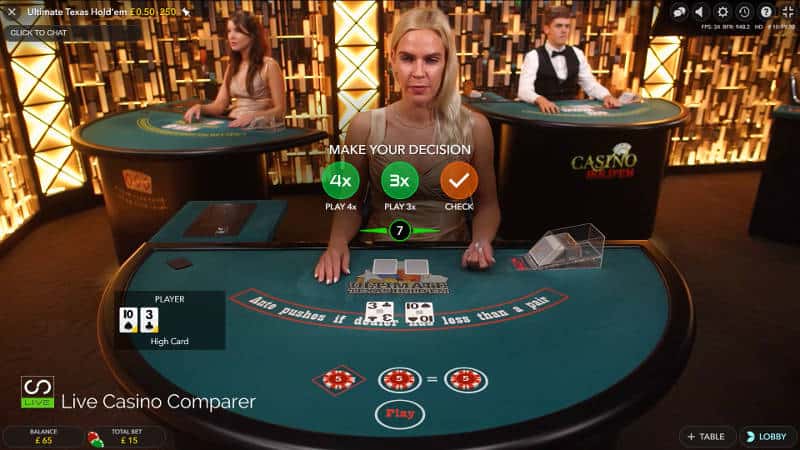
AI hosts and companions. Live casino solved loneliness with human dealers; RNG games may solve it with AI personalities — a host who remembers your near-miss last night, banters in Taglish, and narrates your bonus round. The technology exists today; the design question is taste, and the regulatory question is ensuring charm never becomes pressure to play longer.
Adaptive presentation, fixed math. Expect games that reshape their feel per player — celebration intensity, pacing, music, tutorial depth — while certified probabilities stay universal. The industry's future hinges on keeping that wall absolute: personalization of experience, never of odds. Regulators under the Philippine framework have every incentive to hold it, and the certification architecture gives them the tools.
Voice-first play. As speech models master Filipino languages, expect hands-free casino interaction — checking balances, setting limits, even placing sportsbook bets by voice mid-commute. Convenience with an asterisk: friction has protective value, and removing it raises the stakes on self-set limits.
Protection that arrives before the problem. Today's responsible-gaming AI flags patterns already forming. Next-generation models aim earlier — recognizing at-risk trajectories weeks sooner and offering interventions while they're still cheap to accept. This is the most genuinely hopeful thread in the entire field: the same personalization that sells games can, pointed the other way, protect the people playing them.
An AI arms race on both sides of the law. Every advance arrives twice — once in the product, once in the scams that imitate it. Deepfakes, cloned apps, and voice-fraud will keep improving; so will platform defenses. The constants for players never change: official apps only, OTPs for no one, and 2FA always on.
The Lines That Shouldn't Move
A future worth playing in keeps three principles fixed, and Filipino players should judge every platform — ours included — against them:
- Outcomes stay dumb. The RNG must remain certified, stateless, and blind to who's spinning. Any future where "smart" reaches the result engine is a future without a fair game.
- The player's limits outrank the platform's intelligence. Deposit caps, session limits, and self-exclusion must always bind more strongly than any engagement model — human choice as the trump card, permanently.
- Humans stay reachable. However good the AI, money disputes, security crises, and problem-gambling conversations deserve a human path. The escalation route is infrastructure, not garnish.
What This Means for You, Practically
The skills that age well in an AI casino are old-fashioned ones sharpened. Verify math yourself — RTP tables outlive every interface redesign, per our RTP guide. Set limits before experiences get smoother, because smoother is the direction everything moves. Treat every new convenience as a reason for slightly more deliberateness, not less. And keep the entertainment frame non-negotiable: AI will keep making the games better company; it will never make them income.
Frequently Asked Questions
Will AI ever control game outcomes? Not on any licensed platform — outcome engines are certified, frozen, and audited precisely to keep intelligence out. That wall is the industry's foundation, and regulators' first priority.
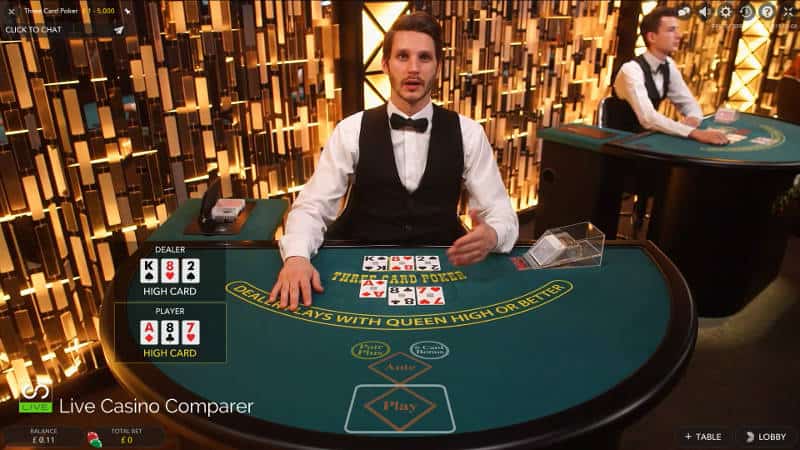
Will human dealers disappear? Unlikely — human tables remain the most popular live products because the humanity is the product. Expect AI hosts to join the ecosystem, not replace it; the trade-offs are mapped in our AI vs human dealers guide.
Is more AI good or bad for players? Both potentials are real: better protection, better service, better games — and slicker engagement pressure. The deciding variable is whether player-set limits keep outranking platform intelligence. Choose platforms where they do.
How should I prepare for the voice/AI-host era? Same toolkit, applied earlier: limits set in advance, 2FA on, official channels only, and a monthly honest look at your own account history.
Where can I follow these changes? Right here — the VOSLOT.APP blog tracks each development as it lands in the lobby, from new game mechanics to new protection tools.
The future of mobile casino gaming is a smarter room — better lit, better guarded, better tuned to you. Walk in with your own rules already set, and the intelligence works for you rather than on you. See you there: VOSLOT.APP, players 21 and over, entertainment always.